
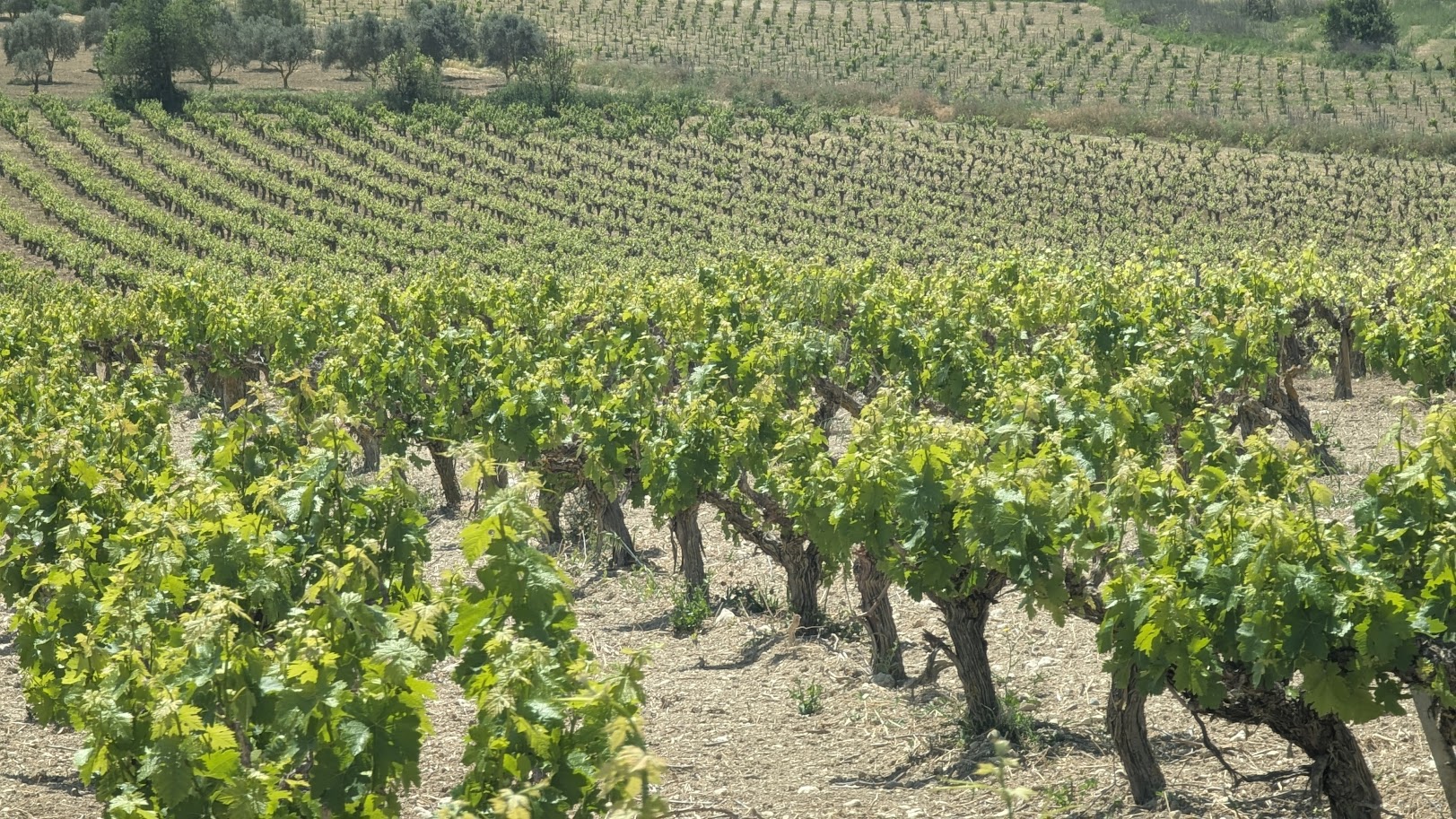
Of all the words in the lexicon of wine, none have as much significance, nor as much mystique, as the term terroir. On the surface, the term terroir sounds like an uncomplicated concept: soil, climate, altitude, exposure. The natural world that molds the grapevine, and ultimately the wine. However, the more one tastes, the more elusive the term terroir becomes. Is terroir an objective phenomenon, a human construct, or something in between?
From the standpoint of science, terroir is the Apollonian view. It is chemistry, geology, the presence of calcium in limestone that affects the acidity, the structure imparted by volcanic soil, the coolness of the night. Terroir is the blueprint of the earth. However, the way we discuss terroir rarely stays within the limits of science. For instance, we say that the wine is mineral, that one can taste the sea. These are metaphors, not descriptions of chemical analysis. Terroir is more than soil, more than stone. It is memory, history, culture. It is the collective imagination of the people who worked the land, the people who drink the wine.
This might be called a philosophy of hermeneutics, or the science of interpretation, of place. Maurice Merleau-Ponty, the French philosopher, discussed the idea of perception as being lived and experienced, and so it is with terroir. Terroir is not simply the ground under our feet, but rather the lived experience of place, the memory of place, and the expression of place. Paul Ricoeur, the French-American philosopher, might say terroir is a narrative, a story of transformation of geography into identity.
In Cyprus, terroir is deeply connected with history and heritage. The Pitsilia terroir is not simply granite and altitude, but rather centuries of struggle against the erosive power of wind and the encroaching power of empire. The terroir of the villages of Commandaria is not simply westward-facing vineyards, but rather medieval routes of trade, of mythology, and of ritual. Terroir is, in effect, talking about both geology and genealogy, about stones and stories of human beings.
Perhaps terroir is best described as a paradox, as being both material and metaphysical, as being both factual and fictional, as being both quantifiable and unquantifiable, as being both real and imagined.
When we taste a glass of wine, terroir asks us to taste a place, a place as it is, and a place as it has been lived, remembered, and dreamed. Terroir is, in effect, not an object, but rather a relationship, a dialogue between the earth, the vine, and human existence, and in this, terroir is deeply connected with the metaphysical, for in terroir, in one single glass of wine, we find the land does not simply provide us with wine, but rather returns us to ourselves.
